

Ombudsman Advocate Tlotliso Polaki calls for urgent security sector reforms
Billy Ntaote
In a damning report released on March 6, 2025, Ombudsman Advocate Tlotliso Polaki called for urgent security sector reforms, detailing harrowing accounts of torture and abuse committed by Lesotho’s security forces. Polaki’s report is based on testimonies from witnesses in the Leribe and Mafeteng districts, painting a chilling picture of brutality inflicted on innocent civilians.
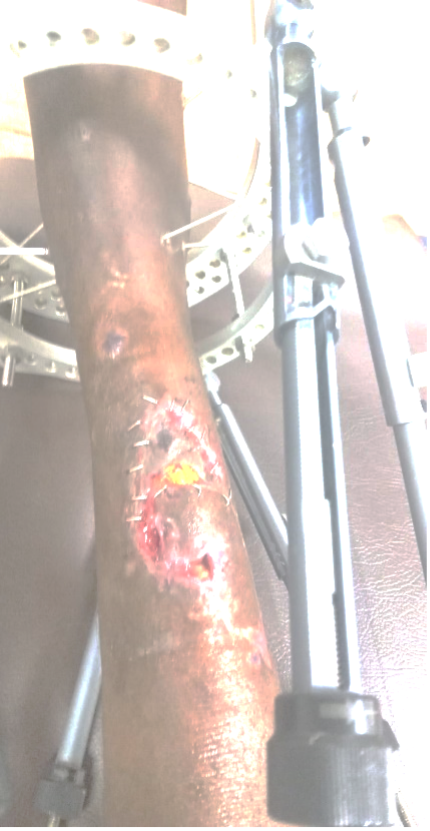
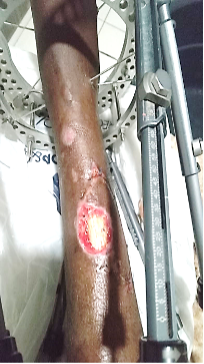

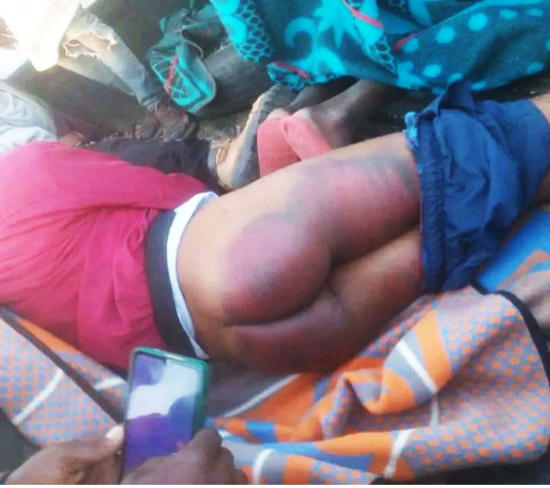
One particularly horrifying incident occurred in the early hours of June 29, 2024, when the quiet village of Boleka, Mafeteng, became a scene of terror. Soldiers from the Lesotho Defence Force (LDF) and officers from the Lesotho Mounted Police Service (LMPS) rounded up residents, including elderly men, women, and children. What was initially framed as a security operation quickly devolved into acts of sheer brutality..
Witnesses described how villagers were forced into an open field, separated into groups, and subjected to humiliating and painful treatment. Men were beaten with sticks, forced to roll on the ground, and made to perform strenuous exercises while being kicked and whipped. Women were ordered to ululate as their husbands, brothers, and sons were brutalised. Even an 80-year-old man mourning the murder of his sons was forced to squat and endure torture.
“I was kicked in my testicles because I didn’t have the strength to squat, frog-jump, and crawl across the field. That day was the burial of three victims murdered by unknown gunmen,” reads part of the report.
These horrific incidents are among many documented in the Ombudsman’s investigation into human rights violations committed during Operation Fiela and Operation Hard Fist. The report details widespread torture, unlawful detentions, and gross human rights abuses conducted under the guise of curbing illegal killings and recovering illegal firearms.
Polaki noted that Lesotho currently has one of the highest murder rates globally, with violence often linked to Famo gangsterism and the illegal possession of firearms. The rivalry between Famo music groups has fueled deadly gang warfare for years, leaving hundreds dead and entire communities terrorised.
“A cycle of revenge has developed, with gang members targeting families. Provocative lyrics in their songs and battles for control of South Africa’s illegal gold mines have only escalated the violence,” Polaki explained.
In response, Prime Minister Samuel Matekane’s administration declared Famo gangs and their music illegal last year. However, the ban has done little to curb the murders, prompting the launch of Operation Hard Fist and Operation Fiela as joint efforts by the LDF and LMPS to restore order.
Push for urgent reforms
After months of investigation, the Ombudsman has issued the following urgent recommendations to curb abuses and restore public trust in the security forces:
- Revisiting the LDF’s operational methods to prevent future human rights violations and ensure compliance with lawful procedures.
- Legal guidance from the Ministry of Justice and Law on permissible interrogation techniques that do not resort to coercion or torture.
- Comprehensive training for both LDF soldiers and LMPS officers on international human rights laws and standards to prevent the use of excessive force.
- Establishment of an independent Office of the Military Ombudsman to investigate complaints against military personnel and ensure accountability.
- Internal investigations within the LDF and LMPS to identify officers involved in unlawful conduct and hold them accountable, regardless of rank or status.
- Compensation for victims of torture and abuse to address the physical, psychological, and economic damage they have suffered.
- Formation of a Commission of Inquiry, led by a judge, to further investigate these human rights violations and report findings to the Prime Minister and Parliament.
Terror, pain, and loss: the victims speak
The report features gut-wrenching testimonies from villagers who suffered at the hands of security forces. Liteboho Mahloane of Leribe described being arrested, blindfolded, and taken to Mokotakoti army camp, where soldiers broke his legs and arms while demanding he surrender a firearm he never owned. His body was burned near an open fire, leaving him severely injured and requiring extensive medical treatment.
Mahloane’s wife, ‘Maleseli Mahloane, sought legal intervention through a habeas corpus application, demanding the army produce her husband dead or alive. After a frantic search in Maseru’s hospitals, she finally found him at Makoanyane Military Hospital (MMH), where he had been brutally tortured and was unable to speak.
Following legal pressure, the court ordered his release so he could seek the medical care he desperately needed.
Concealing evidence of torture?
The case of Chief Lesaoana Masupha of Khokhoba, Ha Lebese, is equally alarming. Tortured for over three hours for allegedly possessing an illegal firearm, Masupha suffered severe genital injuries that left him permanently impaired.
Medical reports further reveal troubling discrepancies. The MMH report, issued by Dr. Moleleki, downplayed his injuries as “mild scratch marks” with a “light” degree of force. Yet on the same day, he was transferred to Queen ‘Mamohato Memorial Hospital (QMMH), where he was admitted to the ICU. The QMMH report, issued by Dr. Steve Kyota, documented multiple body bruises, crush injuries, blunt abdominal trauma, electrolyte imbalance, generalised body pain, acute kidney dysfunction, and an inability to urinate.
Women and children were not spared either. In Ha Phiri, Berea, residents were pulled from their homes and made to roll on rough ground while being whipped. Funeral proceedings were disrupted, with grieving families forced to abandon their loved ones’ coffins to comply with the army’s brutal orders. Victims seeking legal redress faced bureaucratic resistance, with authorities failing to respond adequately to the Ombudsman’s inquiries.
Security forces’ reaction
Despite repeated engagement attempts from the Ombudsman, the LDF and LMPS have largely remained defensive, according to the Ombudsman. The LDF justified its operations as necessary to combat rising gang violence and illegal firearm possession. However, the Ombudsman’s findings highlight serious breaches of human rights under the guise of crime-fighting measures.
In many cases, security forces detained victims without evidence, using excessive force to coerce confessions. The report also reveals that detainees were often held in military camps instead of legal detention facilities, a direct violation of Lesotho’s laws. Many were kept in inhumane conditions, denied medical care, and subjected to prolonged abuse.
As Lesotho grapples with rising violence and instability, the Ombudsman’s report underscores the urgent need for security sector reforms. Only by addressing these abuses and holding perpetrators accountable can the nation hope to restore trust, dignity, and justice for its people.

One thought on “Security forces accused of brutal torture”